Categorie
Nuovo blog
Macchina per giunzione Youngpool Technology: una soluzione Poka-Yoke per componenti 01005
Apr 28, 2026
In
linee di produzione SMT
La consistenza e l'affidabilità del materiale in ingresso influiscono direttamente sulla qualità del successivo posizionamento. Con la crescente adozione di assemblaggi ad alta densità e componenti ultraminiaturizzati come gli 01005, affidarsi esclusivamente all'identificazione manuale delle etichette o all'esperienza dell'operatore non è più sufficiente a soddisfare i requisiti di consistenza e affidabilità. Una volta introdotti materiali anomali nella fase di giunzione, i problemi vengono spesso amplificati durante i processi di posizionamento successivi, compromettendo la stabilità complessiva della produzione.
Per affrontare questa sfida del settore, Youngpool Technology offre un sistema poka-yoke opzionale basato sulla misurazione LCR nel suo
L-900
macchina per giunzione automatica
Il sistema adotta una struttura con assi X, Y e Z indipendenti, che consente al processo di misurazione di operare indipendentemente dai moduli di ispezione visiva e di giunzione. Questa progettazione strutturale minimizza le interferenze reciproche e garantisce la stabilità della misurazione. Allo stesso tempo, il meccanismo di misurazione a pin variabili consente un contatto adattivo in base alle diverse dimensioni dei componenti. Pur garantendo un contatto affidabile, supporta la misurazione dei parametri per componenti di dimensioni fino a 01005, bilanciando precisione di misurazione e protezione dei componenti.
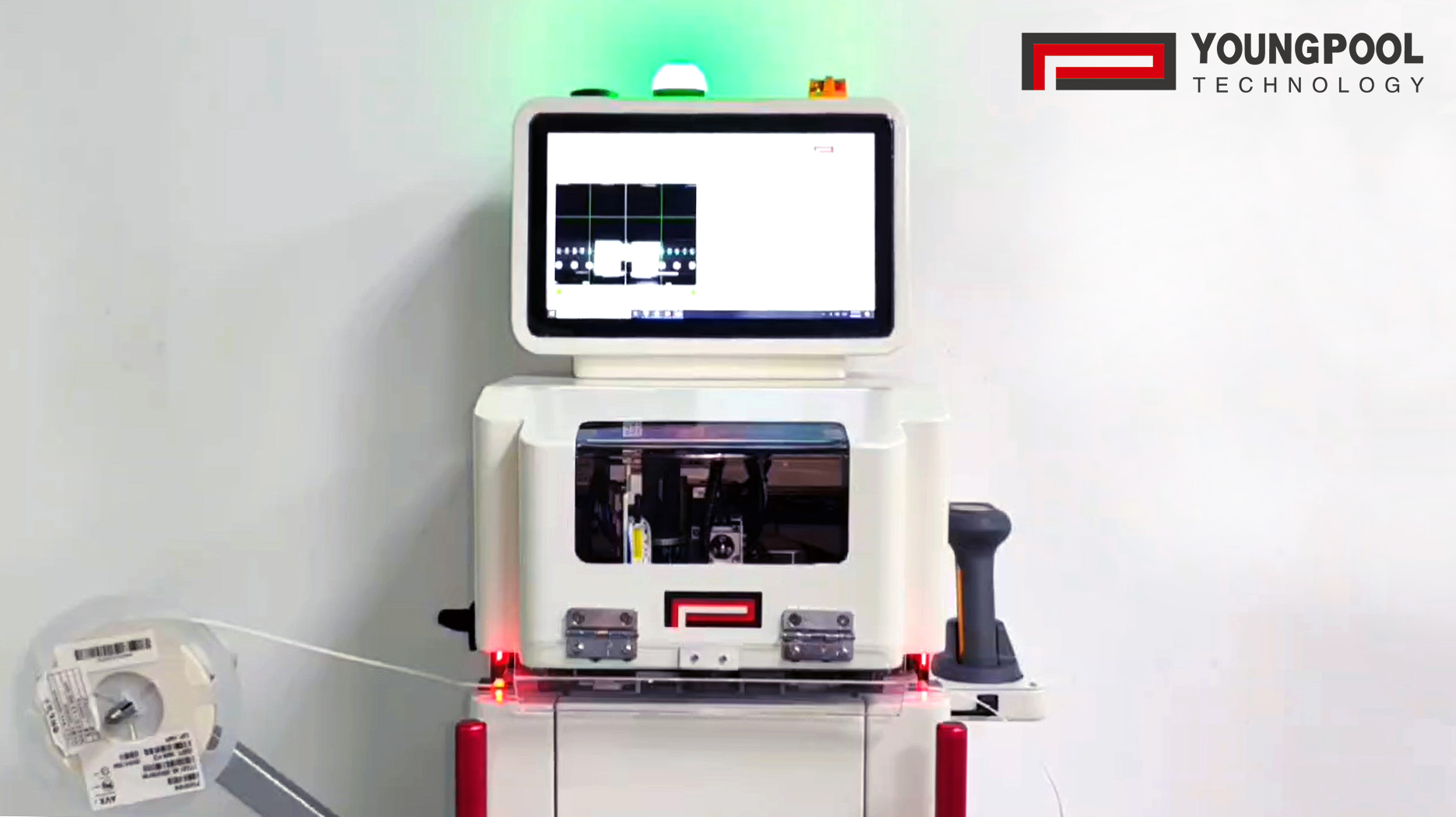
Dal punto di vista applicativo, l'introduzione della misurazione LCR sposta di fatto la verifica dei componenti elettronici alla fase di giunzione. Rispetto all'affidarsi a processi a valle per rilevare anomalie, questo approccio consente la validazione dei parametri elettrici di base prima che i materiali entrino nella linea di produzione, riducendo così il rischio di introduzione di materiali errati. Negli ambienti di produzione reali, questa funzione viene tipicamente utilizzata in combinazione con l'identificazione tramite codice a barre e i sistemi MES per formare un meccanismo poka-yoke multilivello, anziché affidarsi a un singolo metodo di ispezione.
In termini di efficienza, come modulo opzionale, l'impatto della funzione di misurazione sul tempo di ciclo dipende da fattori quali la strategia di ispezione e il tipo di materiale. Grazie alla progettazione del movimento indipendente, l'apparecchiatura può ridurre l'interferenza del processo di misurazione sul
giunzione
il ciclo entro certi limiti, mantenendo un equilibrio pratico tra capacità di ispezione ed efficienza produttiva.
Nel complesso, l'integrazione della capacità di misurazione LCR nelle apparecchiature di giunzione rappresenta un'estensione funzionale dei processi di giunzione tradizionali. Con questo design,
Tecnologia Youngpool
Consente alla fase di giunzione non solo di garantire l'efficienza della connessione, ma anche di fornire una verifica di base del materiale, offrendo un supporto front-end più robusto per le linee di produzione SMT, anziché fungere esclusivamente da unità di esecuzione meccanica.
Email: shicx@youngpool.com
Tel: +86 181 2417 2940


 Rete IPv6 supportata