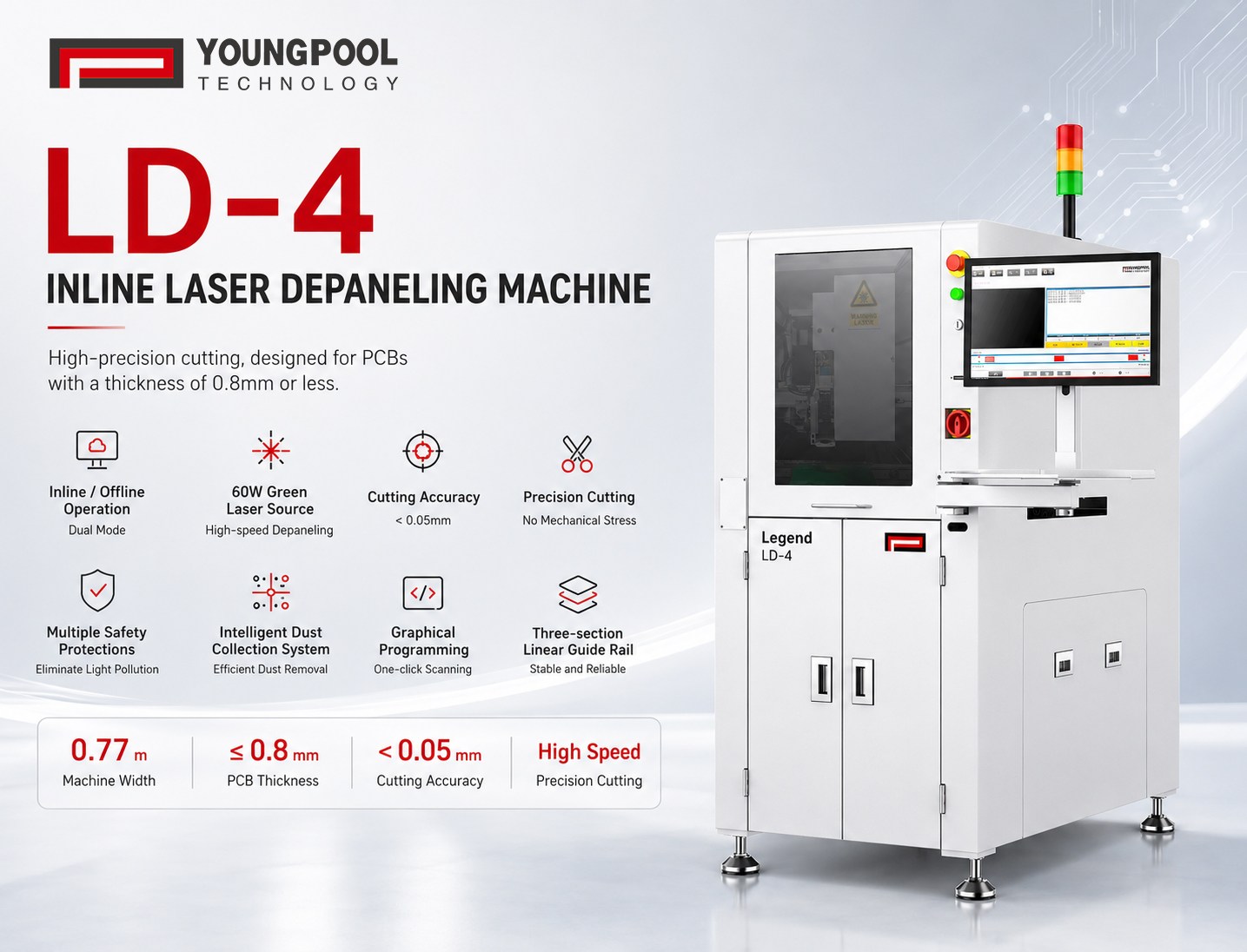
Macchina per depaneling PCB laser in linea
Con lo sviluppo dell'industria manifatturiera elettronica, i progetti di PCB tendono a forme più sottili e leggere. Il volume di spedizione di PCB con
Lo spessore inferiore a 0,8 mm è aumentato di anno in anno, ponendo esigenze più elevate
sui processi di depannellatura. I metodi di depannellatura tradizionali non sono più in grado di soddisfare pienamente
i requisiti di precisione e affidabilità.
Per ottenere una separazione flessibile ad alta velocità e a basso stress, Youngpool Technology
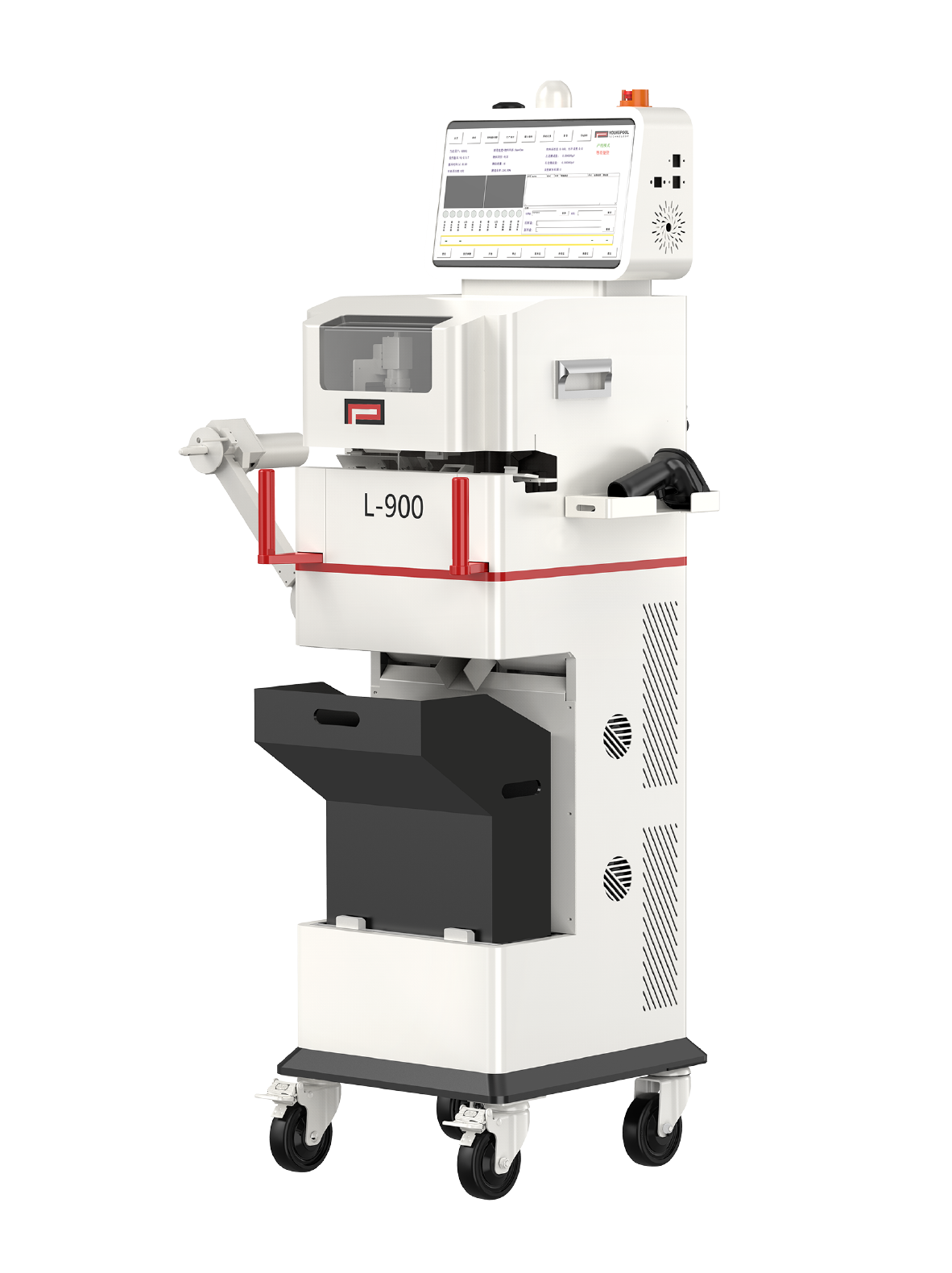
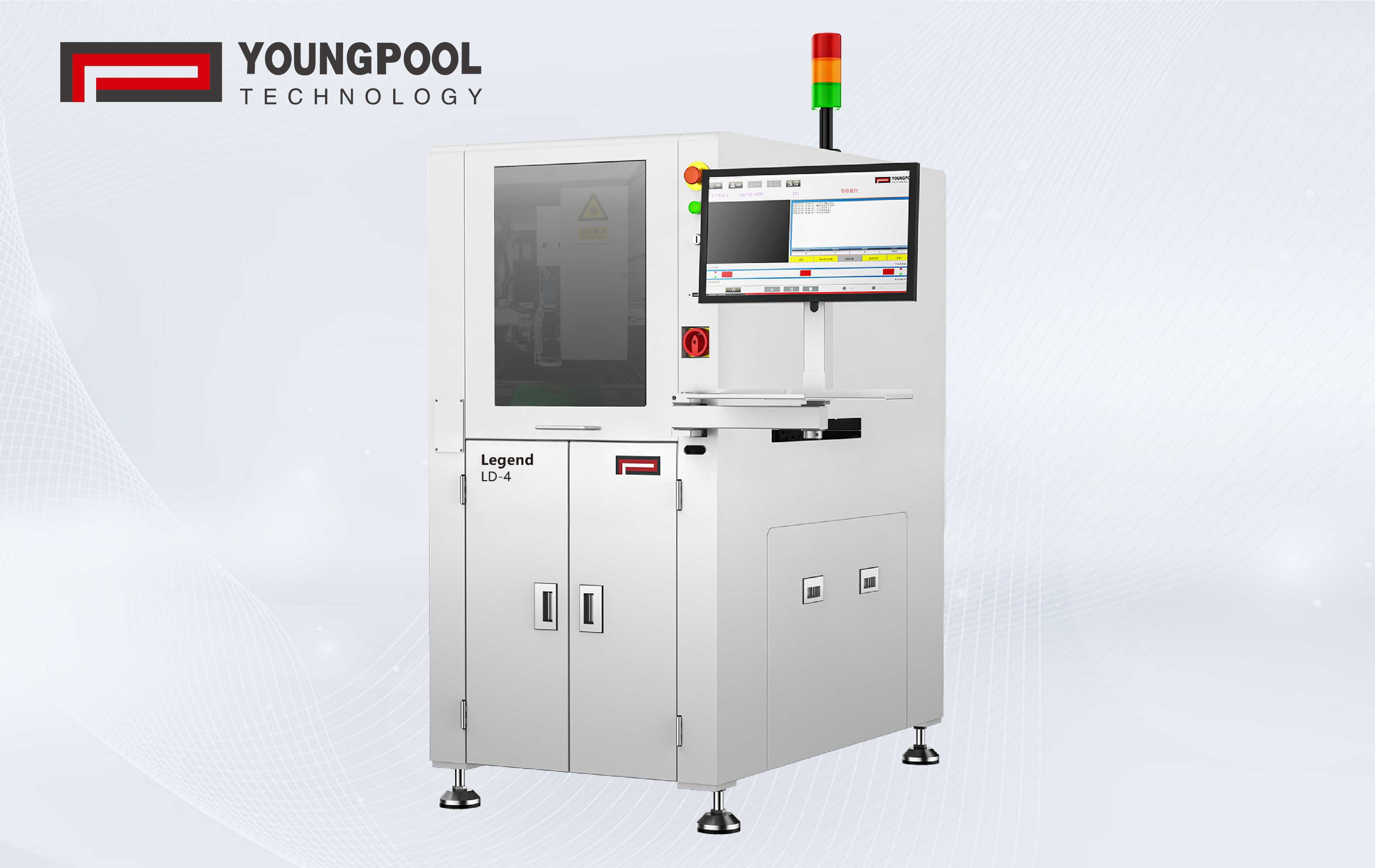
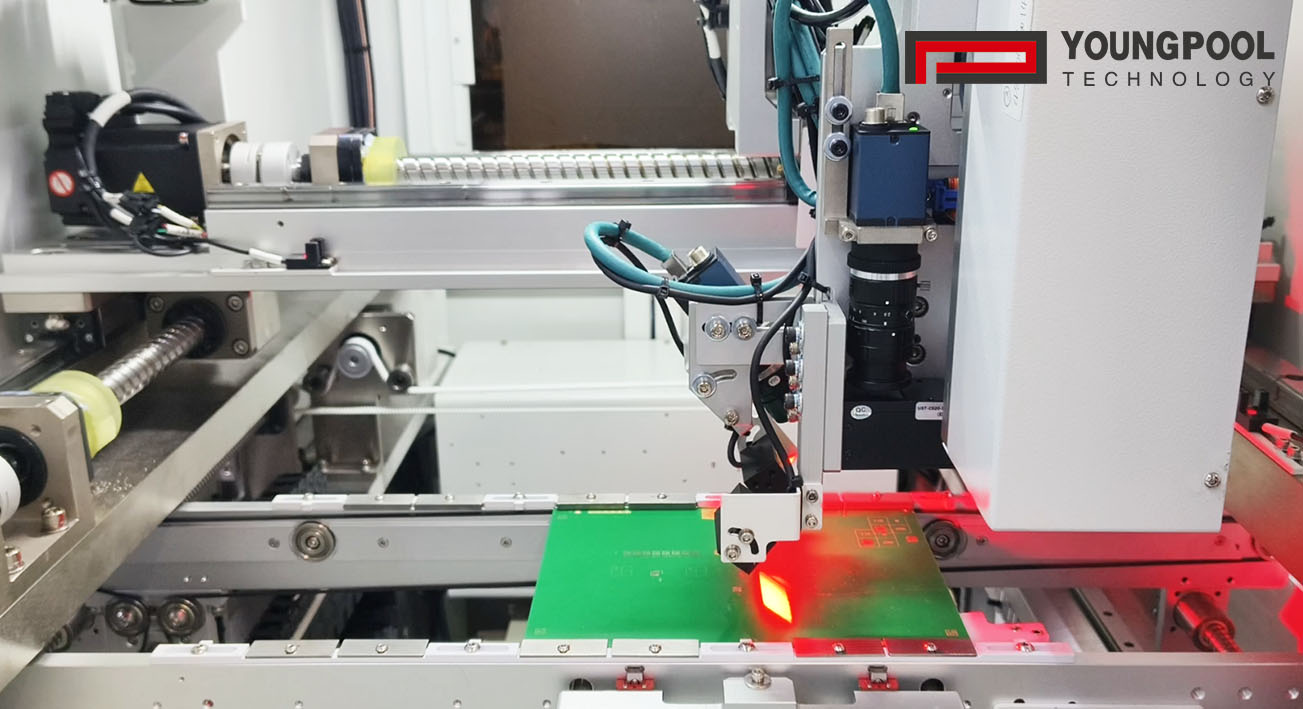
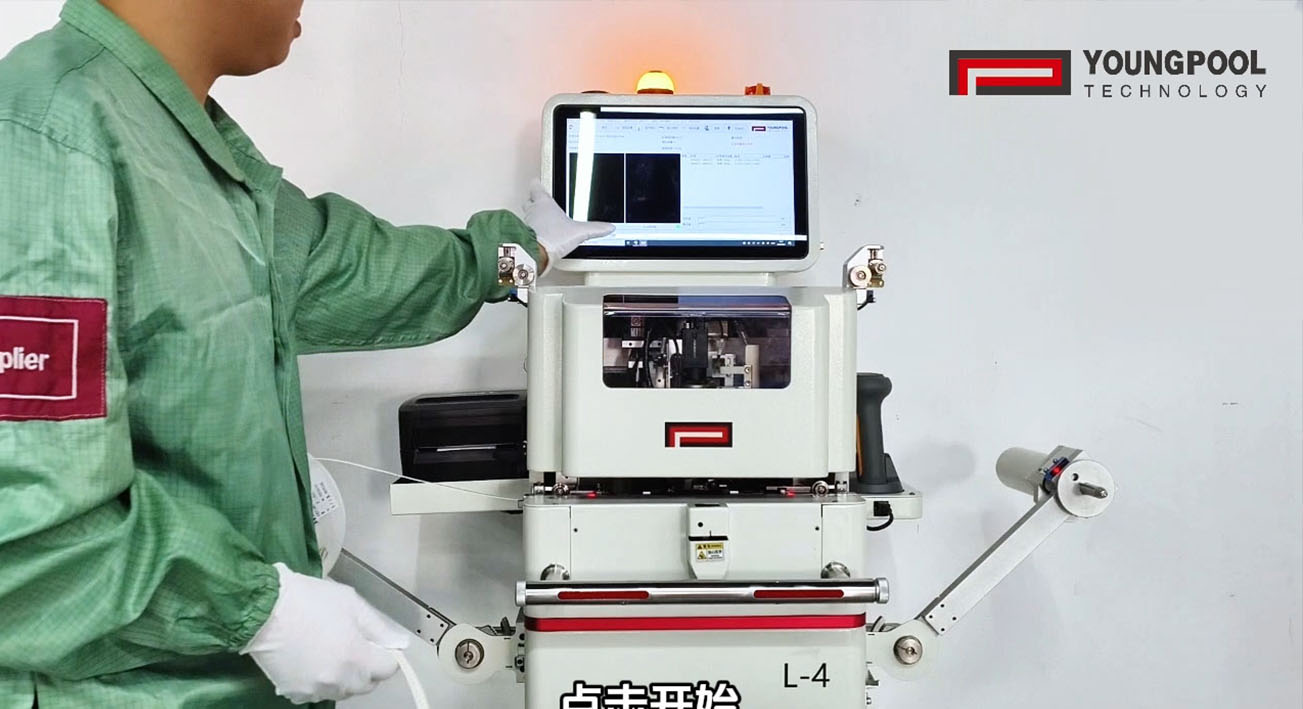
è orgogliosa di presentare la macchina per la separazione dei pannelli tramite laser LD-4.
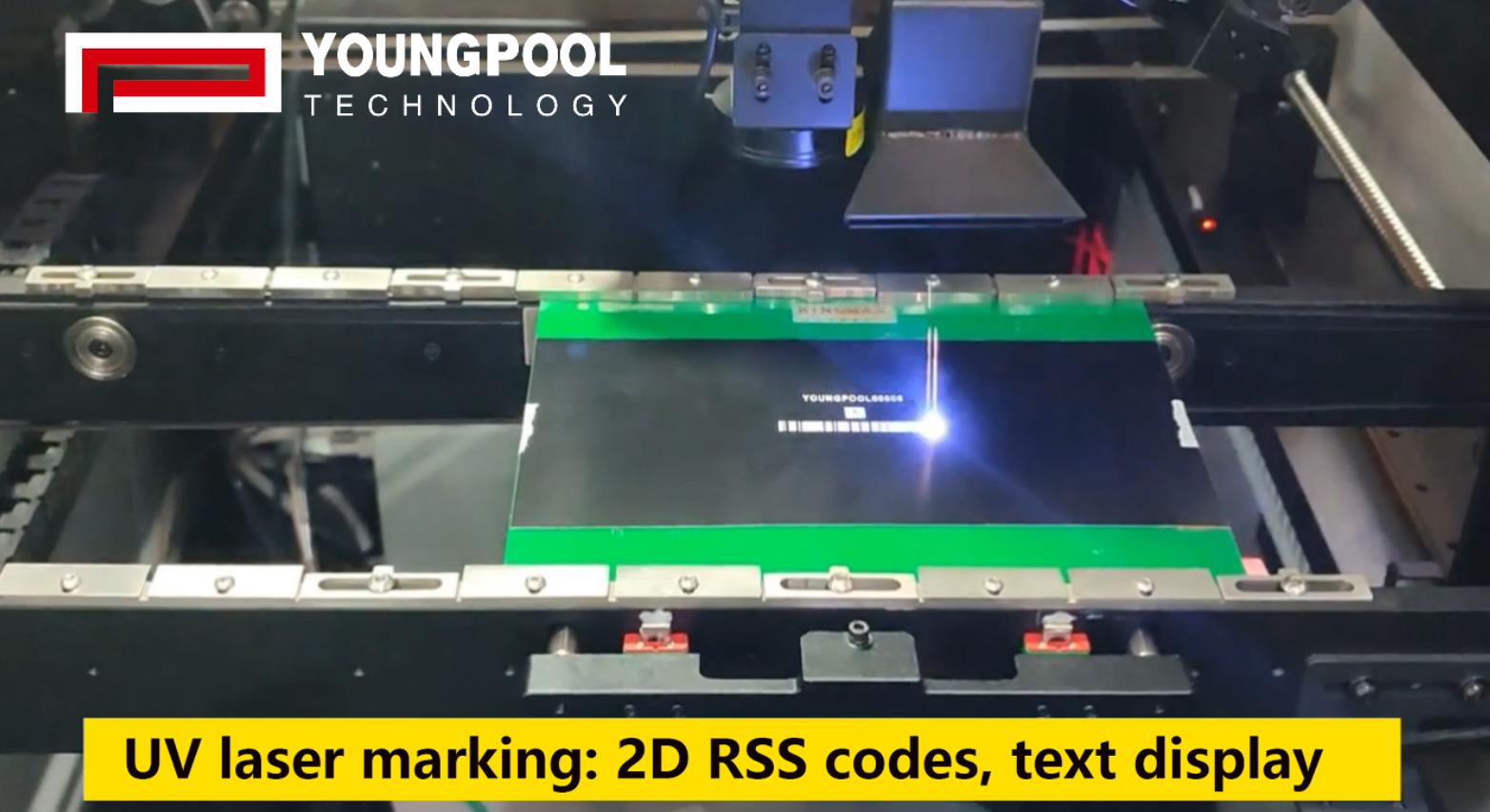
La macchina è dotata di un laser verde standard da 60 W, che consente un'elevata velocità e
taglio preciso e supporta sia la modalità operativa in linea che offline, fornendo
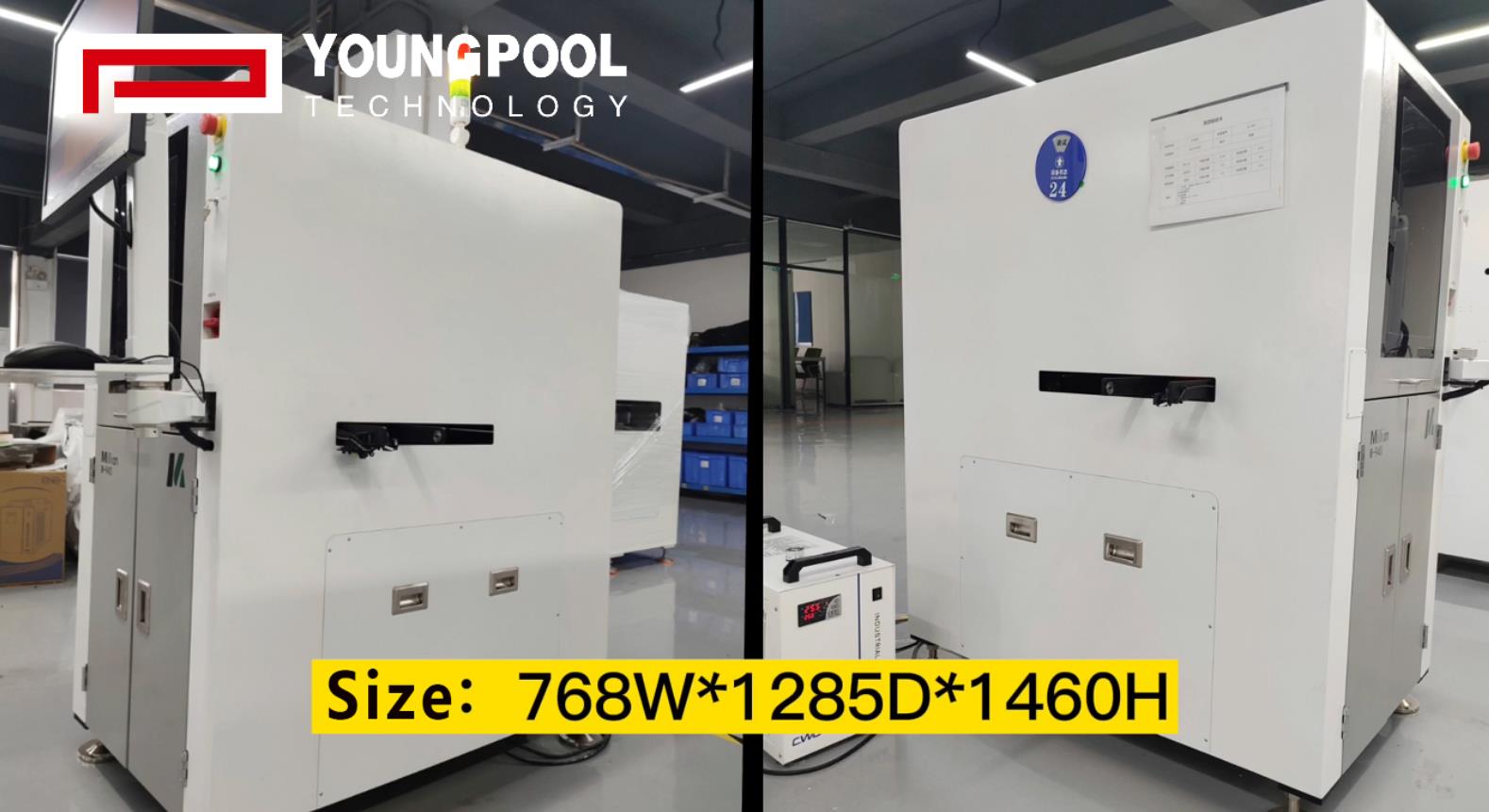
flessibilità per diversi scenari di produzione. Inoltre, il design compatto, con un
Con una larghezza inferiore a 0,8 metri, consente di risparmiare spazio prezioso sulla linea di produzione.
Per saperne di più



 Novità del settore
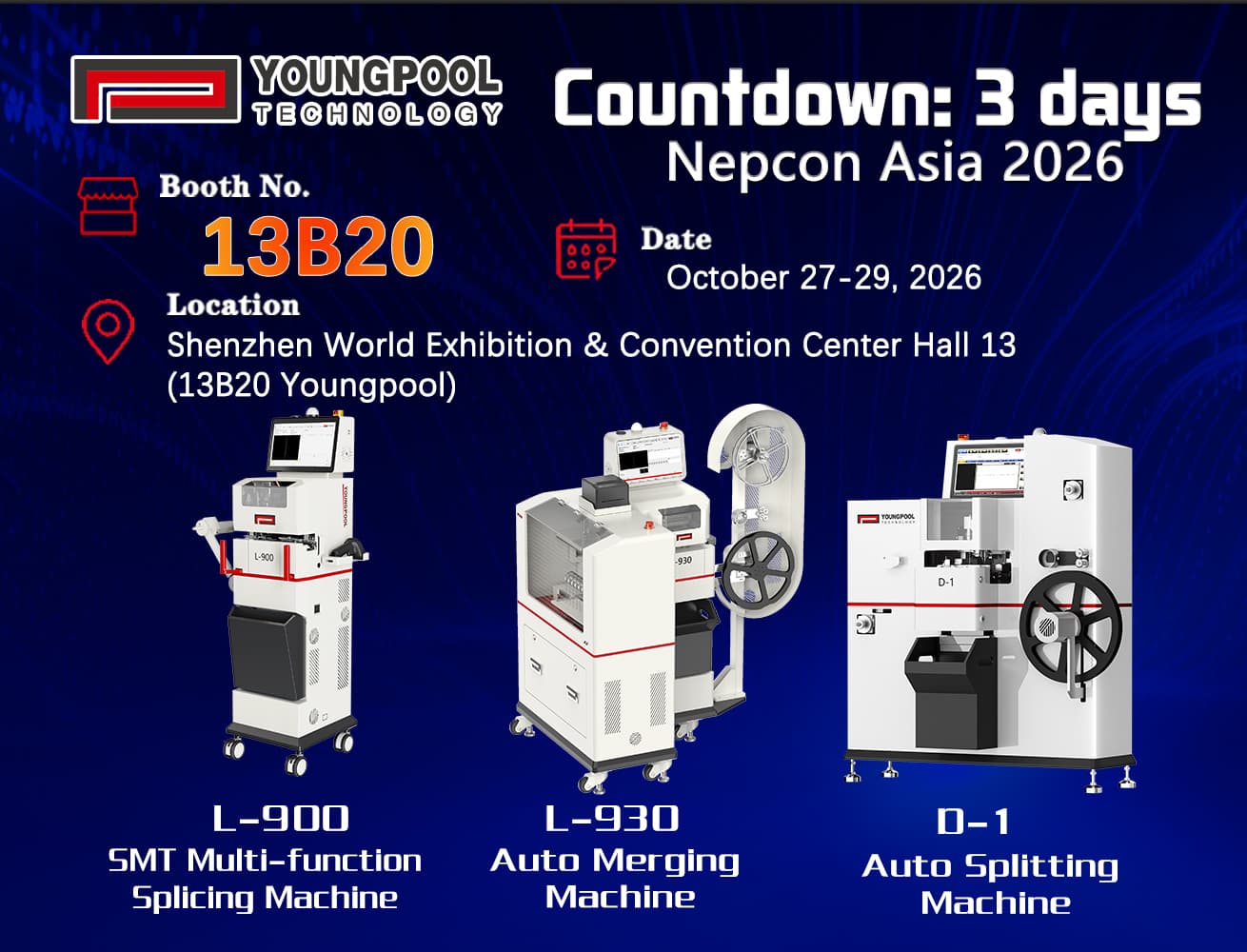
![[Anteprima della fiera] Youngpool Technology vi invita a NEPCON ASIA Shenzhen, 27–29 ottobre | Stand 13B20](/uploadfile/news/83f908ab6467b0b3fb222b568b52bc27.jpg) Novità del settore
Novità del settore
 Novità del settore
 Novità del settore
 Novità del settore
 Novità del settore
 Novità del settore
 Novità del settore
 Novità del settore
 Novità del settore


 Rete IPv6 supportata